
FSO/FPSO General Contractor: A Strategic Link to PetroVietnam's Infrastructure Self-Reliance
The ability to organize investment, EPC/EPCI, and long-term operation and maintenance of FSO/FPSO projects, linked to field development plans, has become the foundation for PETROVIETNAM to be more proactive in implementing offshore exploration projects, retaining more industrial and technical service value domestically, and expanding its competitiveness in the regional market.
In modern oil and gas infrastructure, floating storage, processing, and offloading (FSO) units are considered technological fortresses, miniature refineries operating sustainably in the middle of the ocean. The strategic significance of floating storage lies in its ability to solve a core problem of the upstream oil and gas industry: receiving, pre-processing, stably storing, and directly offloading crude oil from underwater fields, creating a logistics link from the deep sea to the global consumer market, thereby ensuring the continuity of national production.
For the Vietnam National Energy and Industry Corporation ( PETROVIETNAM ), mastering this high-tech and capital-intensive sector is also a measure of Vietnam's endogenous capacity and leading position in the energy/oil and gas industry.
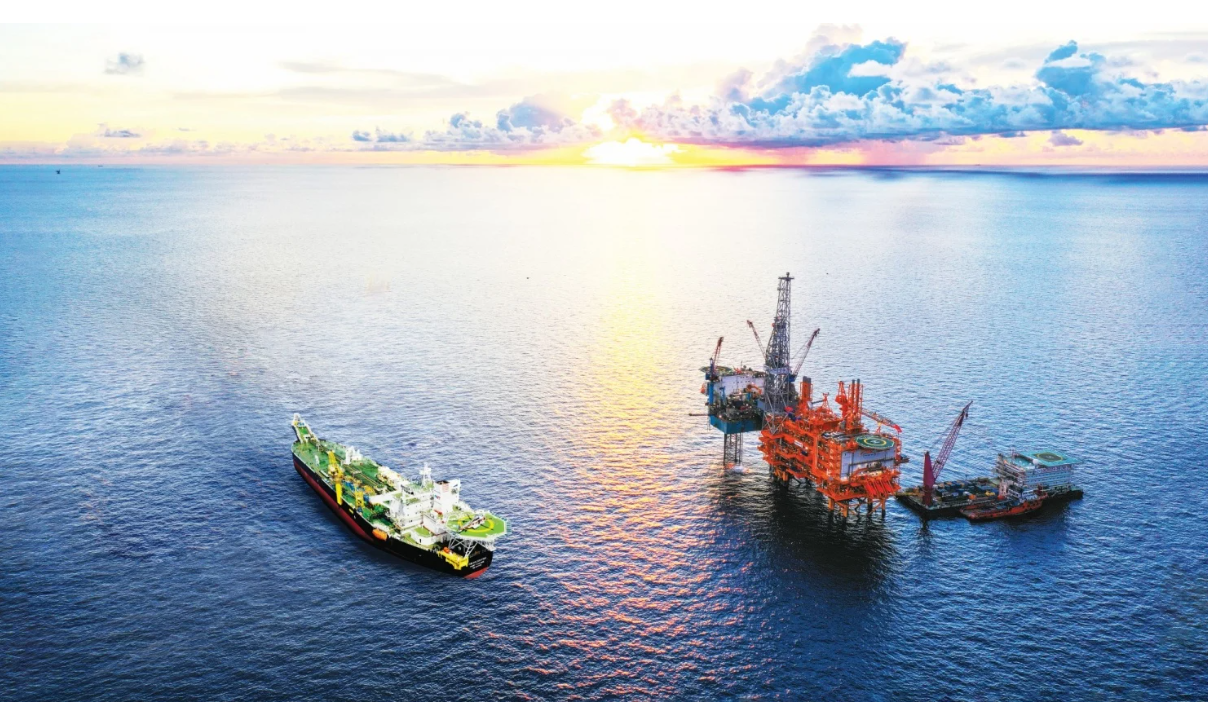
Floating storage, processing, and offloading (FSO) vessels play a particularly important role in oil and gas resource exploitation.
PETROVIETNAM's main FSO/FPSO forces
PETROVIETNAM's FSO/FPSO deployment capabilities have been honed through practical experience in oil and gas exploitation, maritime vessel management, and offshore construction. To date, the significant growth of this sector is closely linked to a strategy of deep professionalization through the Group's key units.
When discussing the FSO/FPSO sector in Vietnam, it's impossible not to acknowledge the pioneering role of the Vietnamese-Russian joint venture Vietsovpetro. In the journey of exploring and bringing the Bach Ho oil field ashore, Vietsovpetro gradually built up its team, processes, and experience in managing and operating offshore oil loading terminals. This foundation was later expanded to operate FPSOs with more complex technological processing systems, contributing the first and crucial experience to PETROVIETNAM's mastery of FSO/FPSO.
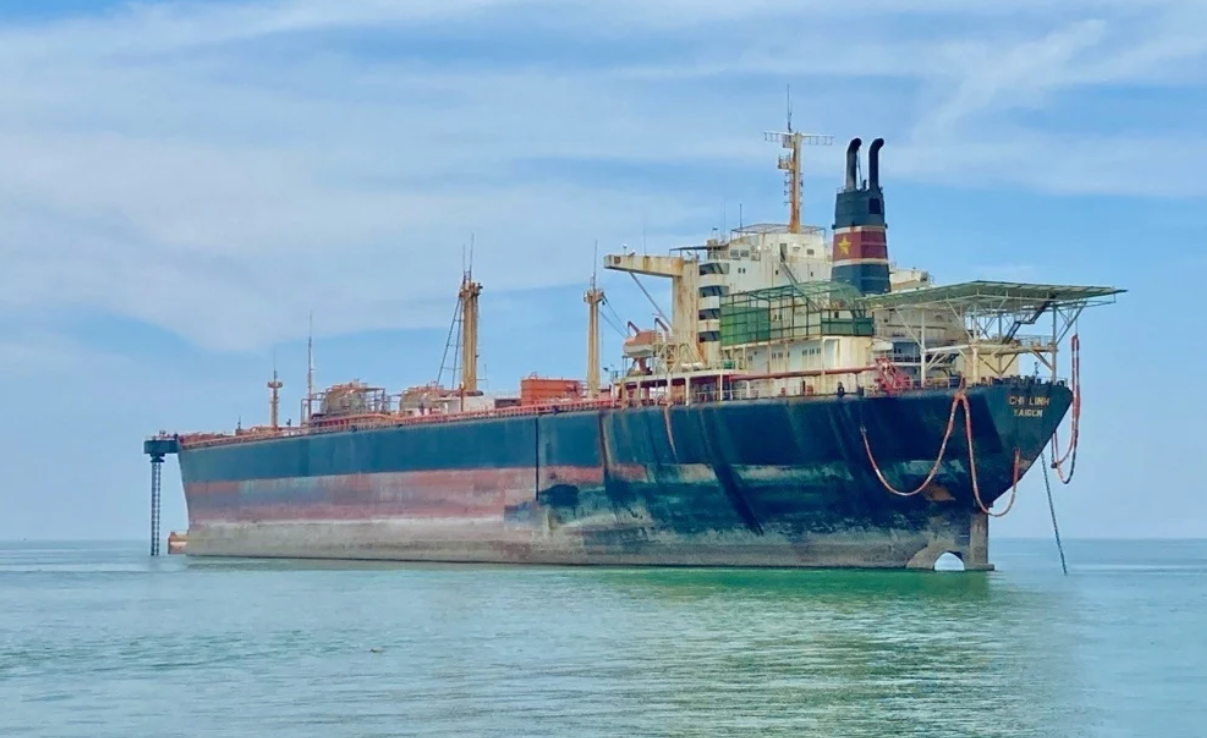
The safe operation of FSO Chi Linh has made a significant contribution to Vietsovpetro's oil and gas production and exploitation activities.
However, for the past 15 years, PTSC has been the only unit within PETROVIETNAM to continue participating in new FSO/FPSO projects. With each generation of projects, PTSC's scope of participation has expanded: from O&M to investment, financing, asset ownership, EPCI/EPCIC general contracting, and supply chain management. The company not only participates in the project stages but also develops the capability to organize the entire process from the asset's planning phase, through design and construction, to commissioning, and continues to be responsible for operational efficiency for many years afterward.
The journey of expanding our role in the FSO/FPSO chain.
PTSC's FSO/FPSO sector was formed in the early 2000s, when the company sought to develop services with higher technical content and value than traditional areas. It began with operation and maintenance (O&M) services for the Ruby Princess FPSO at the Hong Ngoc field; later, it expanded to a cooperative investment model with international partners, such as FSO MV12, FSO Orkid, and FPSO Ruby II. These projects helped PTSC accumulate capacity in arranging financing, managing joint ventures abroad, organizing personnel, and providing O&M services according to international standards.
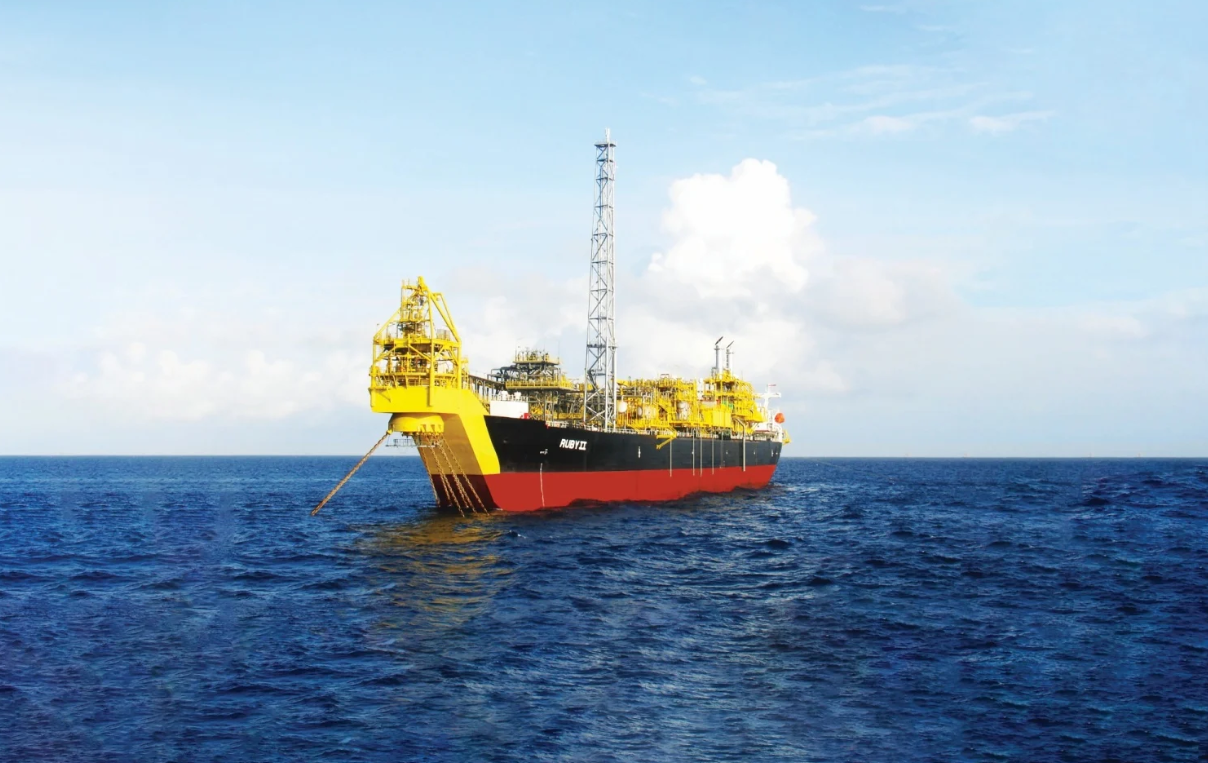
PTSC's FPSO Ruby II is currently serving oil and gas exploration and production activities in Blocks 01 & 02 off the Vietnamese continental shelf.
A significant breakthrough in this field came in 2013, when the FSO PTSC Bien Dong 01 was commissioned to serve the Hai Thach – Moc Tinh field cluster, marking the first time PTSC invested in and implemented a large-scale floating storage facility construction project. This was the period when the PTSC team began to gain a more comprehensive understanding of design management, procurement, shipbuilding, mooring system installation, and preparation for long-term operation.
A year later, PTSC further expanded its capabilities into FPSOs through the PTSC Lam Son FPSO project, which involved converting an oil tanker and integrating a technological processing system – a more complex task than its previous FSO scope. The project required the ability to control thousands of interfaces between the hull, technological systems, electrical and control systems, turret and mooring, pipelines, product discharge equipment, safety systems, utilities, and related offshore structures. This is precisely where PTSC's EPCI/EPCIC general contractor experience provides a distinct competitive advantage.
During the 2015-2016 period, PTSC's manufacturing capabilities for FPSOs were proven in the international market. In the FPSO project for the OCTP offshore field in Ghana, PTSC M&C manufactured six topside modules according to the stringent technical and quality management standards of ENI, a leading Italian energy group. Although this was not a complete FPSO development contract, it helped the PTSC team accumulate experience in manufacturing technology modules, managing interfaces, and coordinating with international contractors, creating a significant foundation for future FPSO projects.
By 2020, FSO Golden Star was commissioned at the Sao Vang – Dai Nguyet field. Through this conversion and supply of a floating storage facility, PTSC further strengthened its ability to combine investment, EPCI, and O&M within a long-term responsibility cycle spanning the field's lifetime.
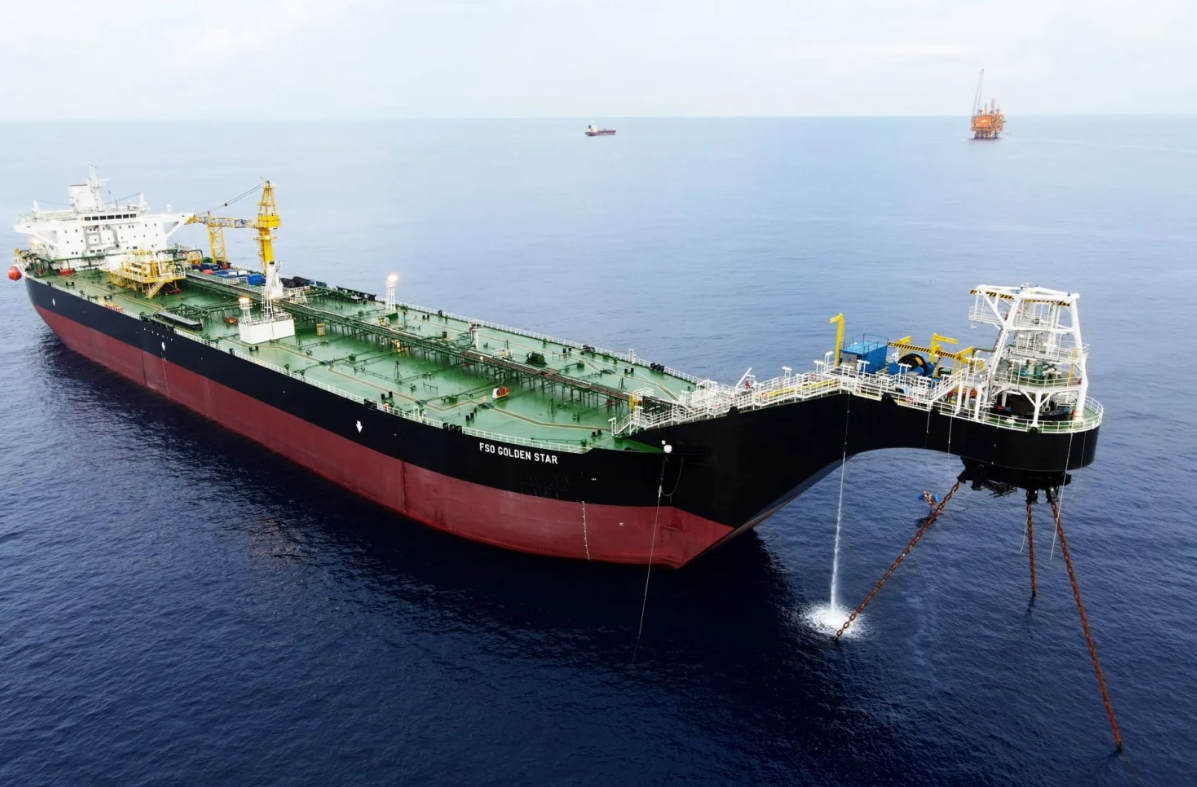
FSO Golden Star serves oil and gas exploration and production activities at the Sao Vang – Dai Nguyet field.
A milestone in mastering EPCI.
To date, the PTSC Lac Da Vang FSO project marks the latest milestone in PETROVIETNAM's EPCI general contractor capabilities in the FSO/FPSO sector. In this project, PTSC simultaneously participates in investment, acts as the owner, and directly organizes the implementation of the EPCI contract, encompassing design, procurement, construction, system integration, transportation, and offshore FSO installation. This scope of responsibility is the result of accumulated experience across numerous projects, with PTSC progressively expanding its role in financing, engineering, procurement, construction management, system integration, safety, quality, schedule, and cost supervision.
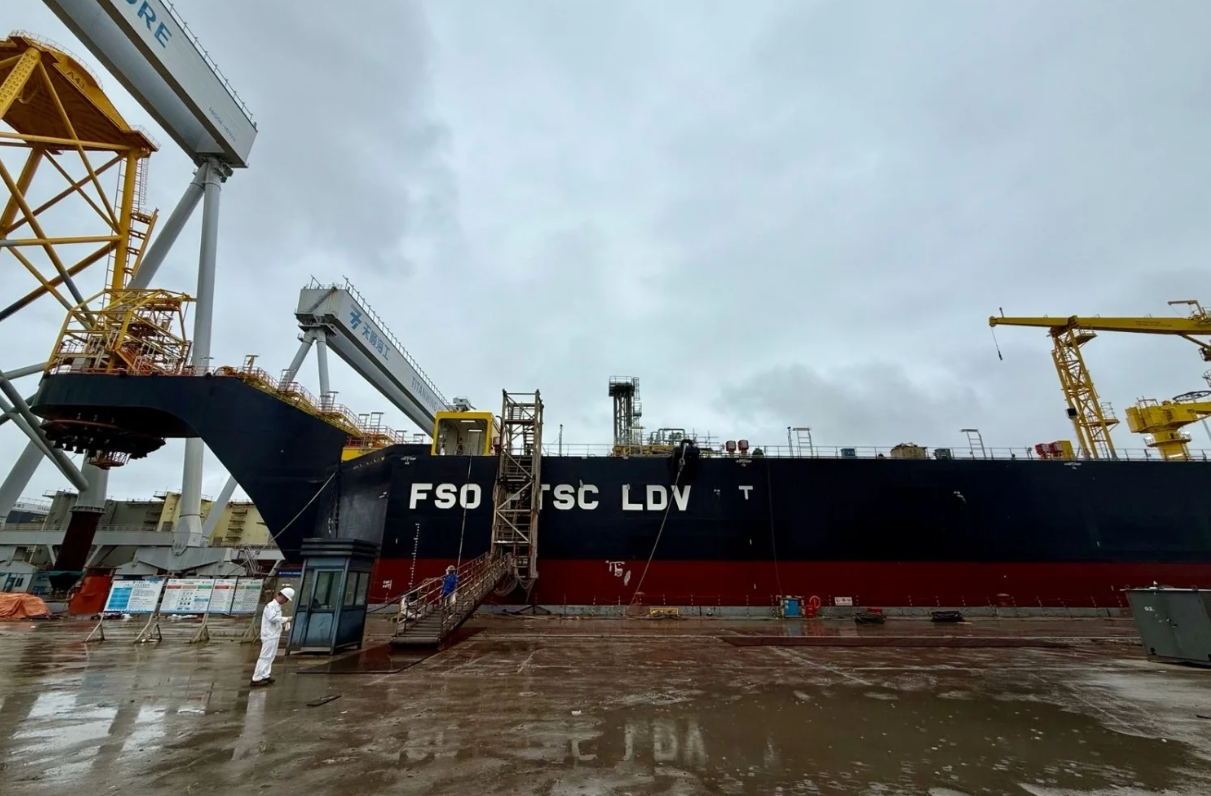
In the FSO PTSC Lac Da Vang project, PTSC simultaneously participates in the investment, acts as the owner, and directly organizes the implementation of the EPCI contract, encompassing everything from design, procurement, construction, system integration to transportation and installation of the offshore FSO.
During the implementation process, PTSC was responsible for integrating the hull, turret & mooding systems, marine, electrical, and control systems with the hook-up and commissioning plan. POS – a subsidiary of PTSC – handled both the turret & mooding fabrication contract and the FSO transportation and installation contract. The integration, high-tech aspects, and offshore construction campaign were integrated into an in-house process, allowing PTSC better control over the interface, schedule, and quality, while increasing the amount of work performed domestically.
Implementing EPCI also requires PTSC to master the entire supply chain, especially early identification of equipment with long manufacturing times, tight control over manufacturing milestones and deliveries, and seamless coordination between design, procurement, construction, transportation, installation, and commissioning. This ensures that bottlenecks are addressed promptly, minimizing risks that could affect the overall schedule.
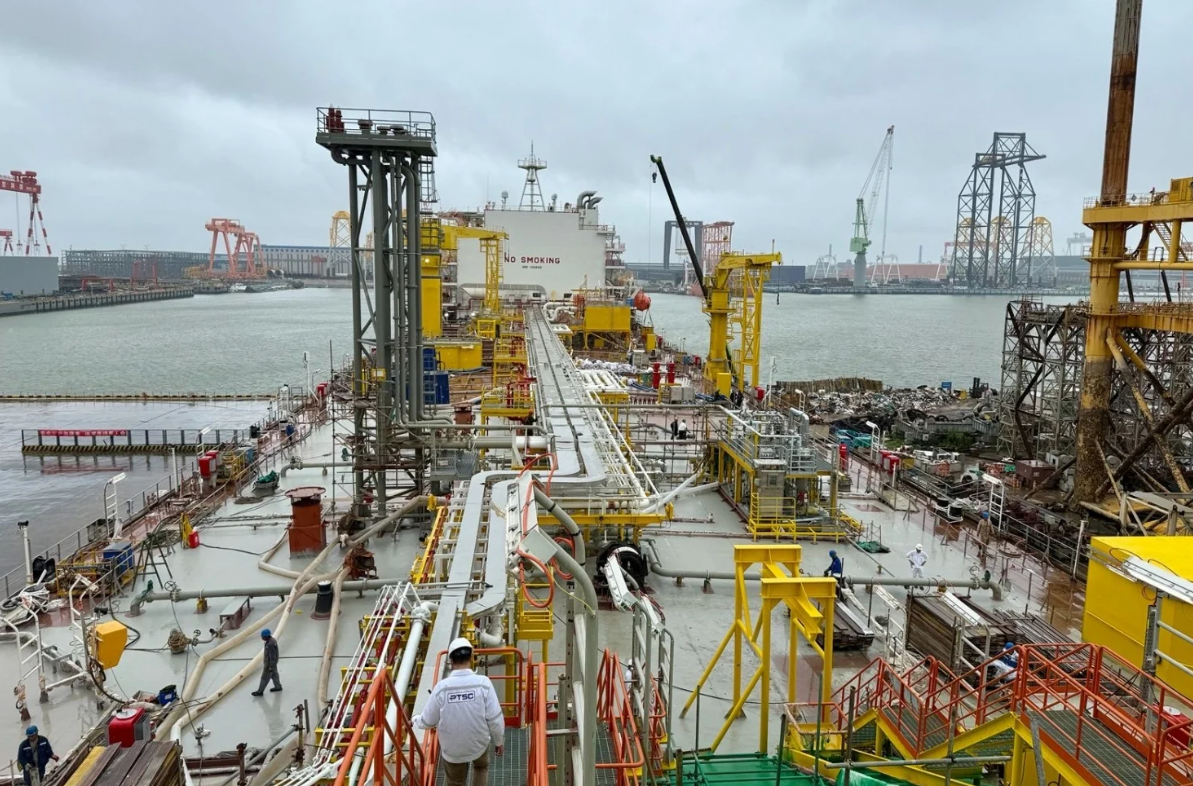
In this project, PTSC participates in the investment, acts as the owner, and directly organizes the implementation of the EPCI contract, encompassing everything from design, procurement, construction, system integration to transportation and installation of the offshore FSO.
In particular, at the Lac Da Vang field, besides its role as the EPCI general contractor for the FSO floating storage and offloading unit, PTSC also simultaneously participated in key components of the field development project, including the processing platform, pipeline system, offshore transportation and installation, hook-up, commissioning, and commissioning preparation. This allowed PTSC to integrate multiple contract packages into a synchronized chain, controlling the interfaces and overall progress towards the First Oil goal. More importantly, in this project, the role of Vietnamese experts and engineers has made remarkable progress. While at the time of the construction of the PTSC Bien Dong 01 FSO, many key positions in the project management team were held by foreign experts, these positions are now held by Vietnamese experts and engineers from PTSC.
Building on the success of the PTSC Lac Da Vang FSO, PTSC's position is further strengthened as its joint venture, PTSC SEA, receives a contract to supply, lease, and operate a newly built FSO with a capacity of up to 350,000 condensate barrels. The contract has an initial term of approximately 14 years, with the option to renew annually for a maximum of nine subsequent years. This is the second FSO project undertaken by the two parties in less than a year, following the PTSC Lac Da Vang FSO.
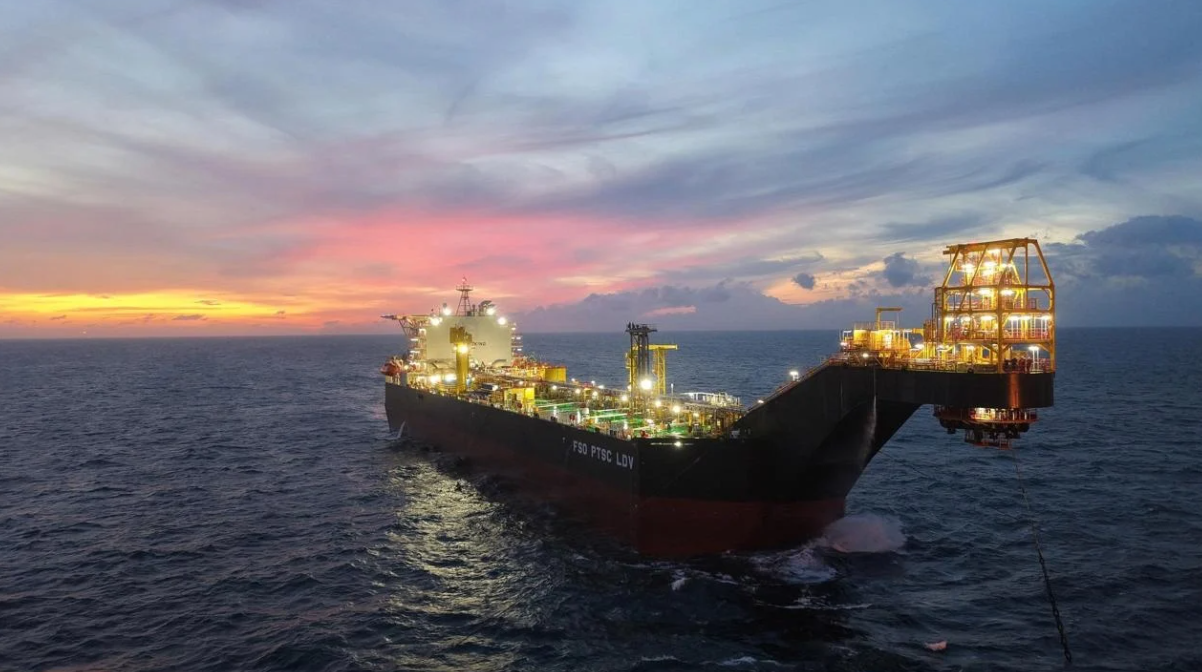
The PTSC Lac Da Vang FSO is the latest milestone in PETROVIETNAM's EPCI general contractor capabilities in the FSO/FPSO sector.
Solving the financing problem – the capabilities of an integrated EPC general contractor.
A crucial, often overlooked, problem behind a multi-million dollar FSO/FPSO project is who will invest, how the capital will be raised, what cash flows will ensure return on investment, and how risks will be distributed throughout the project's lifecycle.
For this type of project, financing capacity is demonstrated by the ability to develop a feasible financial plan, combining equity capital with funds raised from international financial institutions. A sound capital structure helps businesses optimize costs and ensure resources for implementing FSO/FPSO projects to serve domestic field development.
From projects like FSO MV12, FSO Orkid, FPSO Ruby II to FSO PTSC Bien Dong 01, FPSO PTSC Lam Son, FSO Golden Star and more recently FSO PTSC Lac Da Vang, FSO Lot B, PTSC has transformed from a service provider to an investor and co-owner of assets, accumulating experience in building commercial and financial models for contracts with terms of decades.
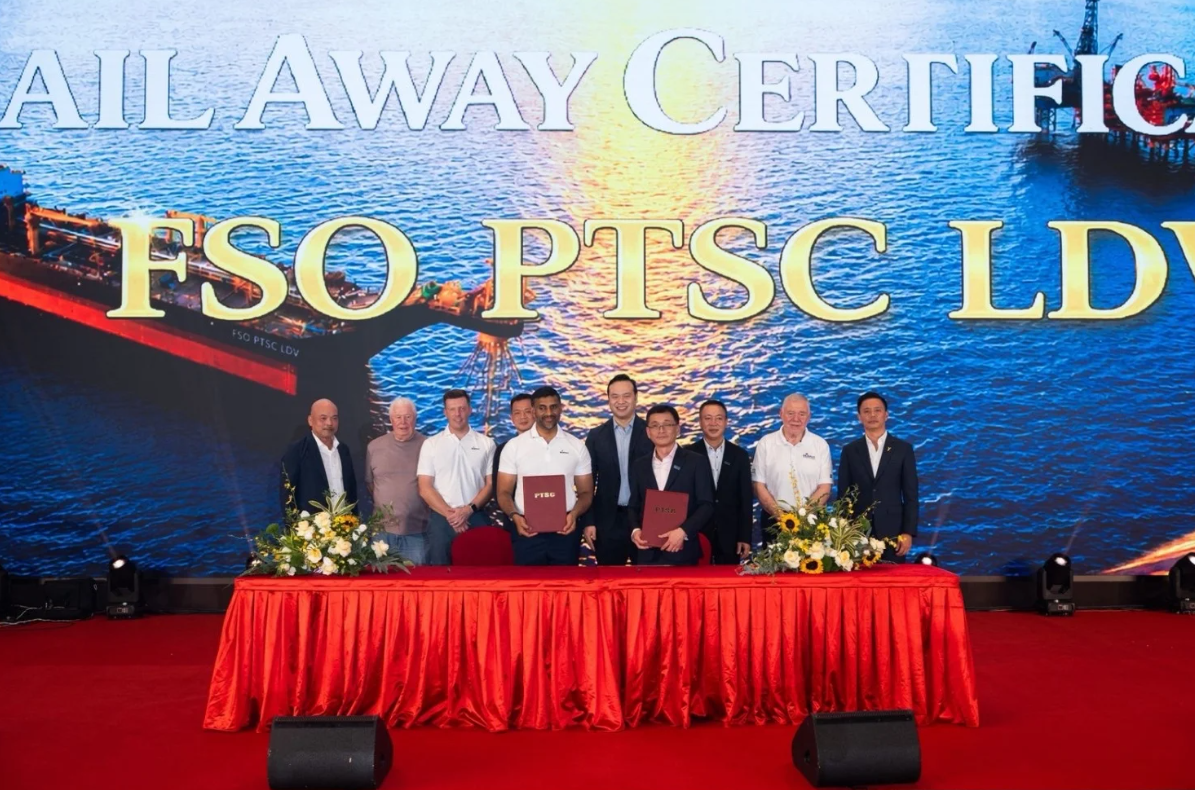
The PTSC AP and MCB joint venture signed the Ready to Sail-away certificate for the PTSC Lac Da Vang FSO Project.
This process also helps PTSC develop experience in managing joint ventures with international partners; accumulate the ability to select and cooperate with strategic partners; build cash flow models based on long-term lease contracts; organize capital for the investment phase; and allocate EPCI, schedule, operational, and financial risks among participating parties. This is a particularly important capability for large-scale FSO/FPSO projects.
More importantly, PTSC has demonstrated its ability to develop financial capacity in parallel with technical capacity. EPCI, O&M, and long-term lease contracts are key components that increase the feasibility of the investment plan. When a company is capable of both organizing and implementing the project, and also owning and continuing to operate the asset after completion, responsibility for the project is maintained throughout.
O&M – ensuring the long-term effectiveness of assets.
If financing determines whether a project qualifies and EPCI determines whether the work is completed on schedule, then O&M determines the value-generating capacity of the FSO/FPSO over the next 10, 15, or 20 years. With over two decades of accumulated experience, PTSC has built a team capable of simultaneously managing the technology, navigation, mooring, electrical and control, safety, and integrity systems of floating assets.
By 2025, all FSO/FPSOs owned and operated by PTSC will achieve uptime ranging from 98.90% to 99.89%; specifically, FSO Golden Star, FSO PTSC Bien Dong 01, and FSO PPS 01 will reach 100% uptime. This indicator reflects the ability of the vessels to maintain continuous operation in the offshore environment – directly contributing to the economic efficiency of the FPSO/FSO and the oil and gas fields themselves.
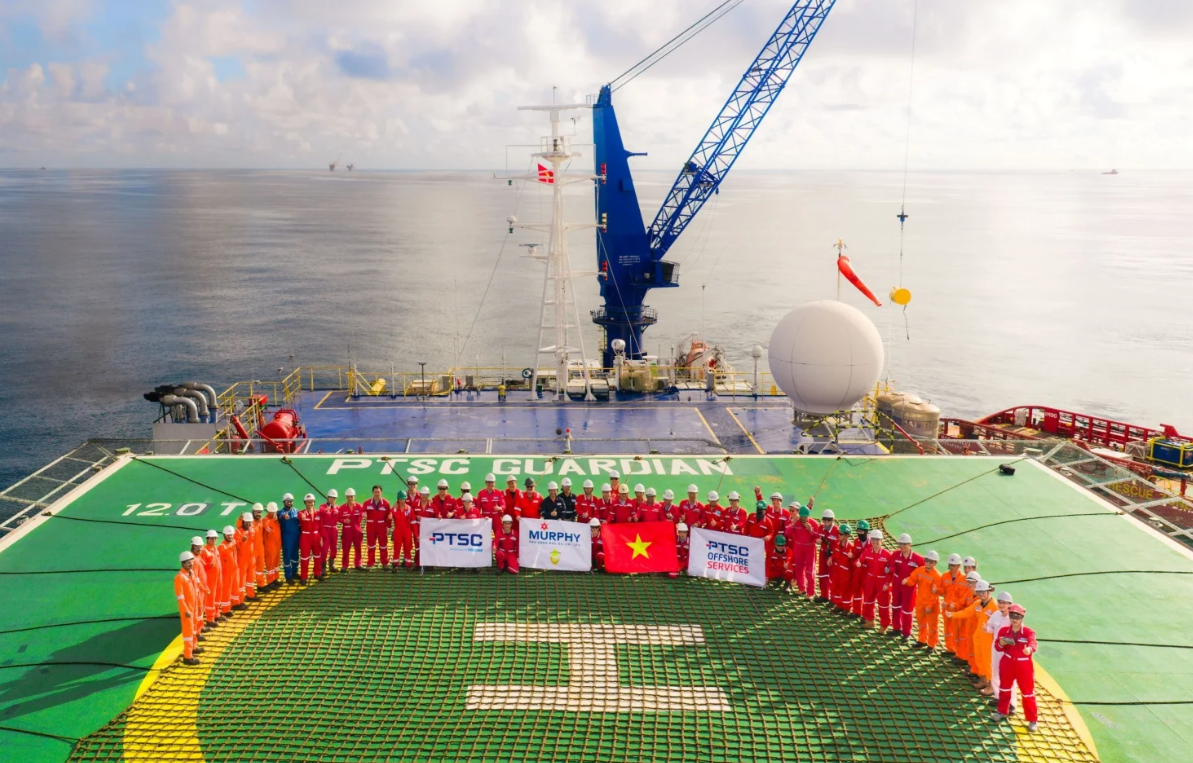
With over two decades of accumulated experience, PTSC has built a highly capable operation and maintenance (O&M) team, meeting the stringent standards of the international market.
PTSC's O&M capabilities are further supported by its offshore engineering services ecosystem, including port bases, service vessels, logistics, maintenance and repair, transportation and installation, hook-up and commissioning, surveying, and underwater engineering services. More importantly, the experience accumulated during operation is transferred as input data for the design phase: equipment selection, maintenance space layout, establishment of backup systems, and preparation of spare parts for new projects. O&M, therefore, ensures the efficiency of existing assets while improving the quality of EPCI in the next generation of projects.
With investment, financing, EPCI, and O&M linked within a single responsibility chain, PTSC's capabilities have expanded towards managing the entire asset lifecycle, linked to the overall efficiency of the field development project. For PETROVIETNAM, this maturity has completed a crucial link in the development and exploitation chain of offshore oil and gas fields. The Group is increasingly proactive in selecting floating structures, organizing project implementation, controlling the progress of bringing fields into production, and optimizing operational efficiency throughout the asset lifecycle.
More importantly, from practical experience, PETROVIETNAM has formed a continuous cycle of capacity accumulation: operational experience is fed back into the design and investment process; project implementation experience becomes the foundation for subsequent projects; and the domestic workforce, processes, and supply chain mature with each generation of projects. This is the foundation for the Group to enhance its self-reliance, increase the technical value and industrial knowledge content of the country, and create a foundation for Vietnam's FSO/FPSO capabilities to advance further on the open sea.